

Proof
Projects
Recent installs, floor notes, and workshop moves from jobs around Southern Africa.
Work on the ground
Project notes from rooms that had to keep printing
These project pages are not trophy shots. Each one is a floor that needed a printer, a flatbed path, or a clearer way to move boards and rolls through a real Southern African week. Access, power, dust and the size of the first job all change what a cell can do on day one. We write the notes so another shop facing a similar bay can see the constraints, not just the finished aisle.
Isando, Crown Mines, Midrand and Sunnyrock sit in the Gauteng pattern of forklift traffic, dry-air dust and tight delivery windows. Pinetown, Umbilo and the Durban port-side notes deal with humidity and crate handling. Bellville, Paarl, George and the Cape studio pages watch rain, slopes and compact rooms. Bloemfontein, Nelspruit, Polokwane and the Port Elizabeth line cover the longer road legs, where a missed spare costs more than a afternoon.
If you are planning a move rather than reading a past job, start with the install checklist and power guide in Resources, then tell us about access and supply through the contact form.

Isando Cell
An Isando print cell setup shaped for local power, loading space, and the pace of a Gauteng sign floor.

Pinetown Bay
A Pinetown bay layout planned around media flow, operator movement, and day-to-day large-format output.

Bellville Branch
A Bellville branch floor plan built for receiving stock, staging boards, and keeping print work moving.
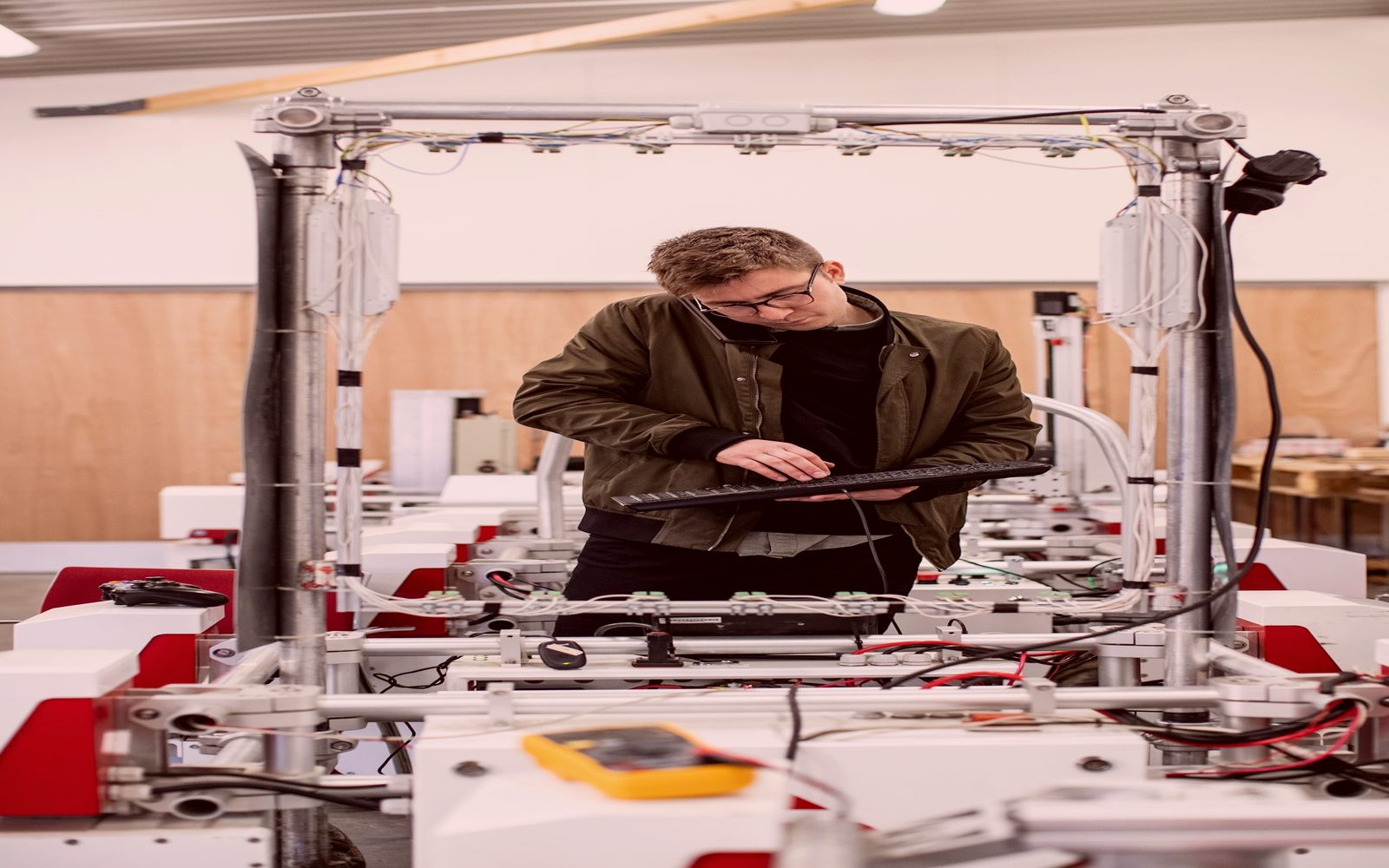
Pe Line
A Port Elizabeth line arranged for steady board handling, cleaner routing, and less stoppage between jobs.
Bloem Counter
A Bloemfontein counter area set up for quick handover, trimming access, and practical workshop use.

Nelspruit Run
A Nelspruit production run mapped for repeat jobs, simpler fault finding, and better use of floor space.

Crown Mines
A Crown Mines install planned around forklift traffic, board storage, and real sign-shop constraints.

Sunnyrock Pack
A Sunnyrock packing zone organised for finished print handling, safer stacking, and easier dispatch prep.

Durban Port
A Durban port-side layout geared for incoming equipment, crate handling, and getting machines onto the floor properly.

Cape Studio
A Cape Town studio setup tuned for print quality checks, sample work, and compact production space.

Midrand Yard
A Midrand yard arrangement built for offloading, staging, and moving wide-format equipment without chaos.

Centurion Lab
A Centurion lab floor configured for testing, calibration, and service checks before the machine hits production.
Umbilo Shop
An Umbilo shop plan shaped for tight access, customer-facing work, and dependable daily output.
Paarl Floor
A Paarl floor layout balanced for sheet loading, print finishing, and straightforward operator movement.
George Bay
A George bay setup designed for regional sign work, practical maintenance access, and cleaner material flow.

Polokwane Branch
A Polokwane showroom space arranged for stock handling, machine access, and consistent workshop throughput.
How we write a job up
What a project page should leave you with
The constraint comes first
A Pinetown bay with a low roller shutter is a different install from a Crown Mines unit that shares a yard with truck turning. We try to name that constraint early, because it decides whether a roll-to-roll cell, a flatbed, or a packing zone is even possible in the space you have.
Handover is part of the job
A machine that looks level but has no care note, no spare list and no photo of the as-installed cable run is only half finished. Project write-ups point back to commissioning, training and the handoff template so the next shift is not guessing what was left open.
Read Support if the question is less about a new cell and more about a machine that already sits on the floor. Sign and print rooms get straighter answers when the project note and the service note use the same names for the same parts of the room.