

Project
Pe Line
A Port Elizabeth line arranged for steady board handling, cleaner routing, and less stoppage between jobs.
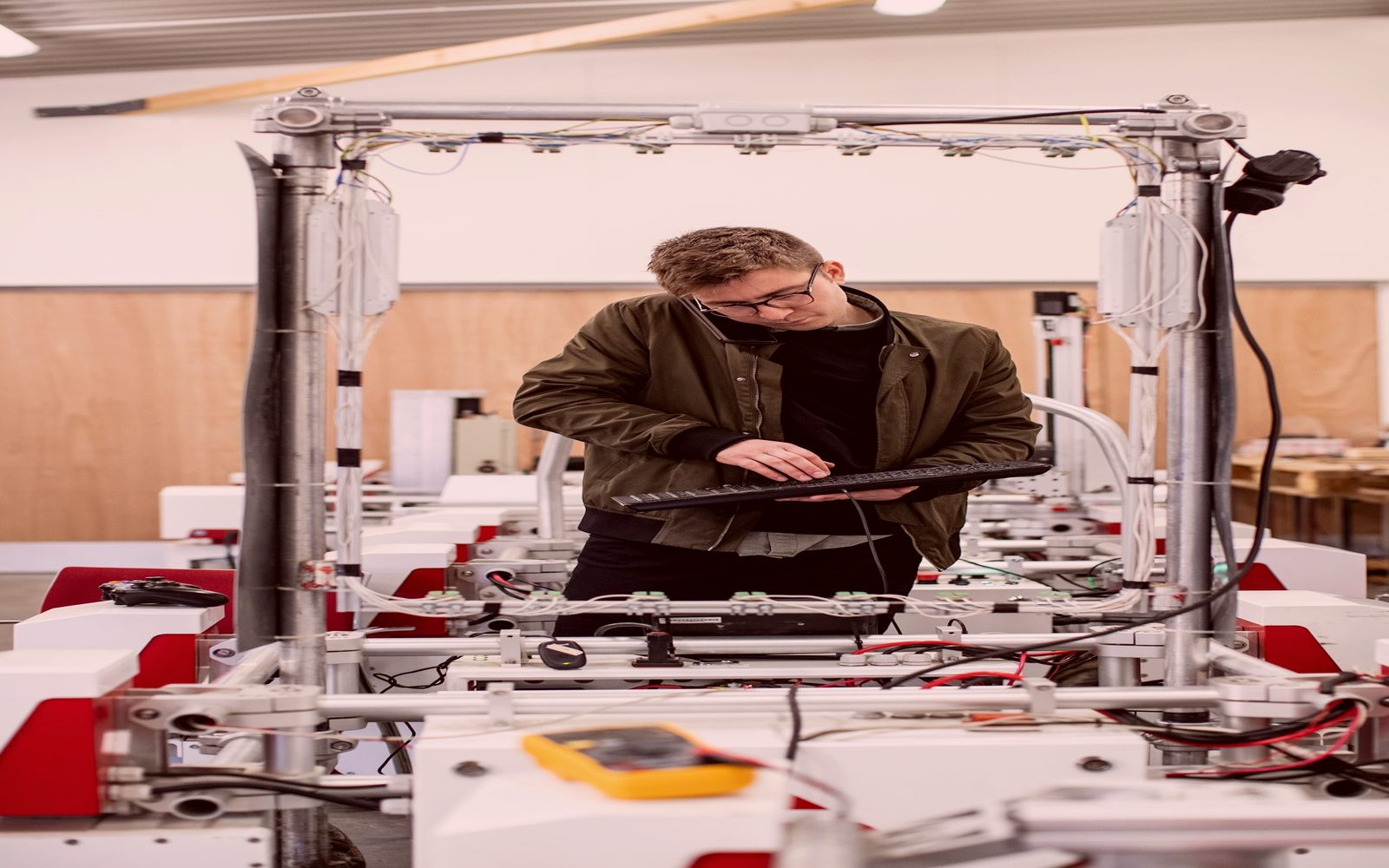
What a Pe Line visit looks like in a working week
The PE Line install page focuses on a Port Elizabeth setup where board handling, cleaner routing and fewer stoppages between jobs make a real difference. It is useful when a print line needs to move material smoothly from load-in to output.
At Pe Line in Port Elizabeth, the focus is steady sheet movement from stack to finish, with router dust kept away from printed work. Rigid board, print tables, and the CNC route all need enough space to turn stock without clipped corners or awkward hand-offs. Coastal air in the Bay also affects vacuum hold, sensor cleaning, and how often exposed rails need attention.
Photos taken during the install are most useful before pallets are shifted and offcuts are cleared away. On this line, a simple record of infeed height, extraction position, and board path helps the next shift spot what changed. That matters when stoppages start with skewed loading rather than a major machine fault.
Port Elizabeth board flow points
The PE Line was laid out to reduce pauses between loading, routing, and finished stack-off. Material direction, operator standing room, and access to service panels were treated as part of the job, not afterthoughts. The useful outcome is a line that is easier to check when production slows.
Use Pe Line with the matching project record when you need to compare handling layout against the installed equipment. Before sending anything through the contact form, confirm the table size, extraction setup and loading side. Mention the line entrance and router zone if access is tight.
- Board travel mapped from load-in to output
- Router access checked beside print handling
- Install notes tied to the actual line
Eastern Cape site conditions
Port Elizabeth sites often have tight loading areas, mixed old and new power distribution, and production that cannot stop for long just to test a layout idea. A line like this has to consider fork movement, sheet storage, and how operators reach both print and CNC stations. Small placement errors become repeated delays once boards start moving all day.
Near the coast, fine grit and moisture can show up in bearings, cable tracks, and extraction points sooner than inland shops expect. Vacuum performance on large sheets should be checked under normal humidity, not only during a quick start-up run. Power interruptions also matter because restart order affects printers, routers, and extraction differently.
Operated by Astros Marketing (Pty) Ltd from 2 Makro Place, Sunnyrock 1401.
What was checked on Pe Line
For this Port Elizabeth install, the useful details are sheet size, board type, machine positions, and where stoppages were happening between processes. Include access limits such as roller doors, pallet routes, or low clearance around the router. That gives the line layout proper context.
A dated site note helps when someone later asks why the printer sat there, why the cutter faced that direction, or where handling space was won back. On a working line, those decisions affect waste, operator movement, and how easily faults can be isolated. Keeping the check tied to the day it was observed makes later comparison far easier.
What our Large-Format Print customers say
Verified Google reviews