

Project
Umbilo Shop
An Umbilo shop plan shaped for tight access, customer-facing work, and dependable daily output.
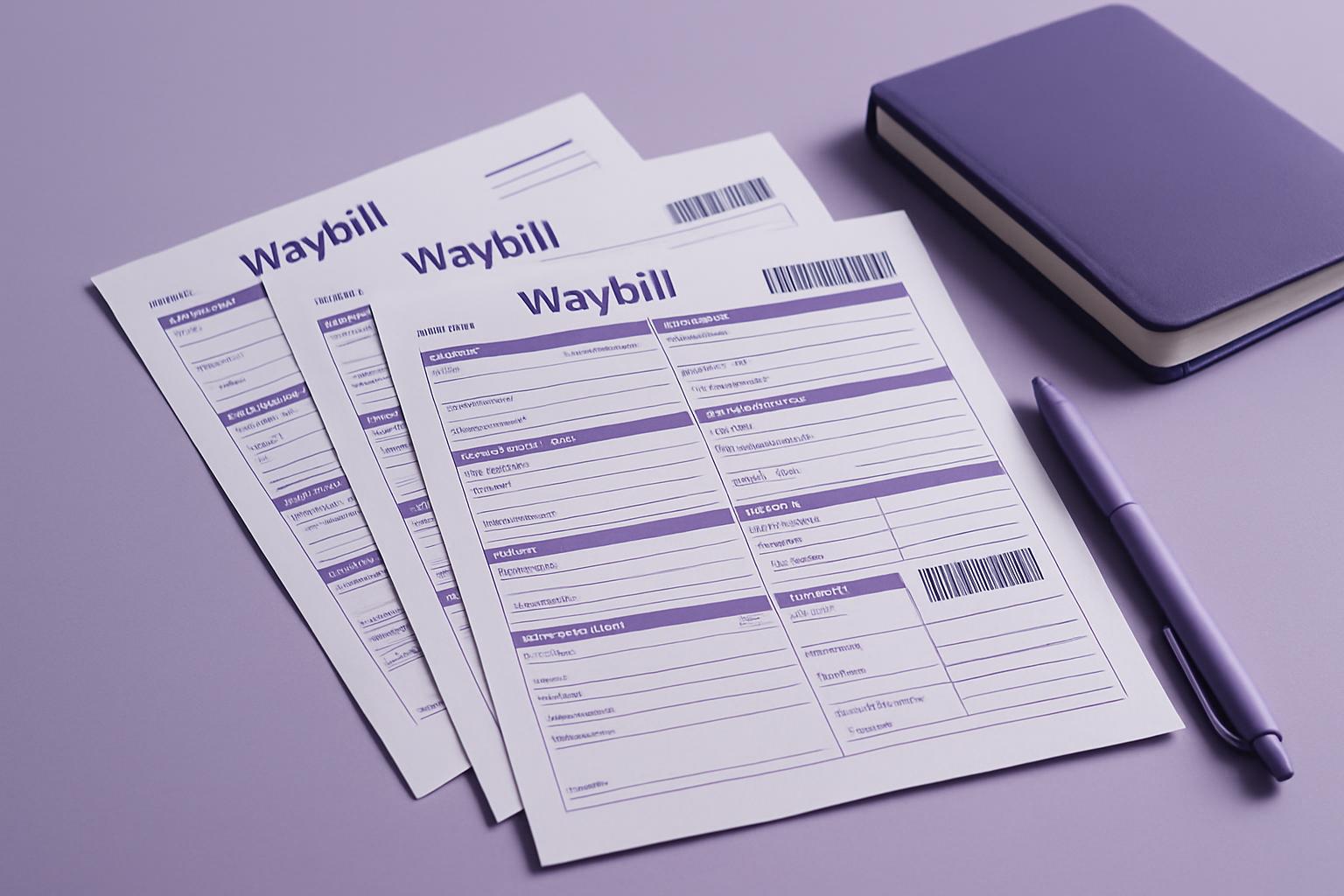
What an Umbilo Shop call-out looks like in a working week
The Umbilo Shop install page deals with a tighter shop layout where access is limited and customer-facing work still has to move out every day. It helps plan machine position, stock movement and working space in a smaller footprint.
Note the printer or router in use, the media on hand, the trading hours, and the pinch point at the entrance. In Durban humidity, board storage, ink handling, and morning startup checks need different planning from a dry inland site. A compact sign shop needs customer collections up front while production still moves safely at the back.
Photograph the doorway, passage width, and unloading spot before racks, offcuts, or counters get shifted. That record helps when deciding whether sheet material turns near the machine or gets staged elsewhere first. On a smaller Umbilo layout, one blocked corner can slow printing, trimming, and collections for the whole day.
Umbilo access and layout notes
The outcome for this shop is a usable machine position, a stock route that avoids the customer area, and a short check list for daily opening. We focus on where operators stand, where sheets rest before loading, and how waste leaves the work area. A compact site works better when each movement is decided before the first board is lifted.
Link Umbilo Shop to the relevant service note and a matching project entry before adding extra equipment to the plan. Check the actual machine footprint, extraction points, power location, and door swing against what is on paper before any move happens. Printer and flatbed faults are easier to read from a photo of the print path and the error shown on the control panel.
- Machine placement suited to narrow access
- Doorway and stock route checked first
- Site notes tied to the actual layout
Durban shop conditions that matter
Umbilo sites often have limited frontage, active walk-in traffic, and little spare room for full sheet handling. Planning has to account for where vinyl rolls stand, where rigid media stays dry, and how finished work reaches the counter without crossing the cutting area. If the shop is trading during the install or repair visit, mark the customer zone separately from the production zone.
Coastal air affects board storage, electronics, and cleaning routines around print heads, rails, and vacuum areas. Delivery timing also matters when vehicles stop in busy streets and stock must move inside quickly. In a tight Durban shop, power recovery checks should cover PC startup, machine homing, and the first printed or cut sample after an outage.
Operated by Astros Marketing (Pty) Ltd from 2 Makro Place, Sunnyrock 1401.
What to record for Umbilo Shop
Send photos of the entrance, machine position, stock stacks, and any counter or display unit that narrows movement. Add the machine model, bed size if relevant, power supply details, and the fault or bottleneck that keeps interrupting output. Clear layout information makes it easier to judge whether the problem is access, workflow, or the machine itself.
Log the visit notes on the day the space is checked, while measurements and obstructions are still fresh. Keep the notes with service records, install sketches, and any parts list used for the Umbilo shop arrangement. When management asks why a machine was turned, moved, or spaced a certain way, the reasoning stays in one place.
What our Large-Format Print customers say
Verified Google reviews