

Stories
Warehouse Pace
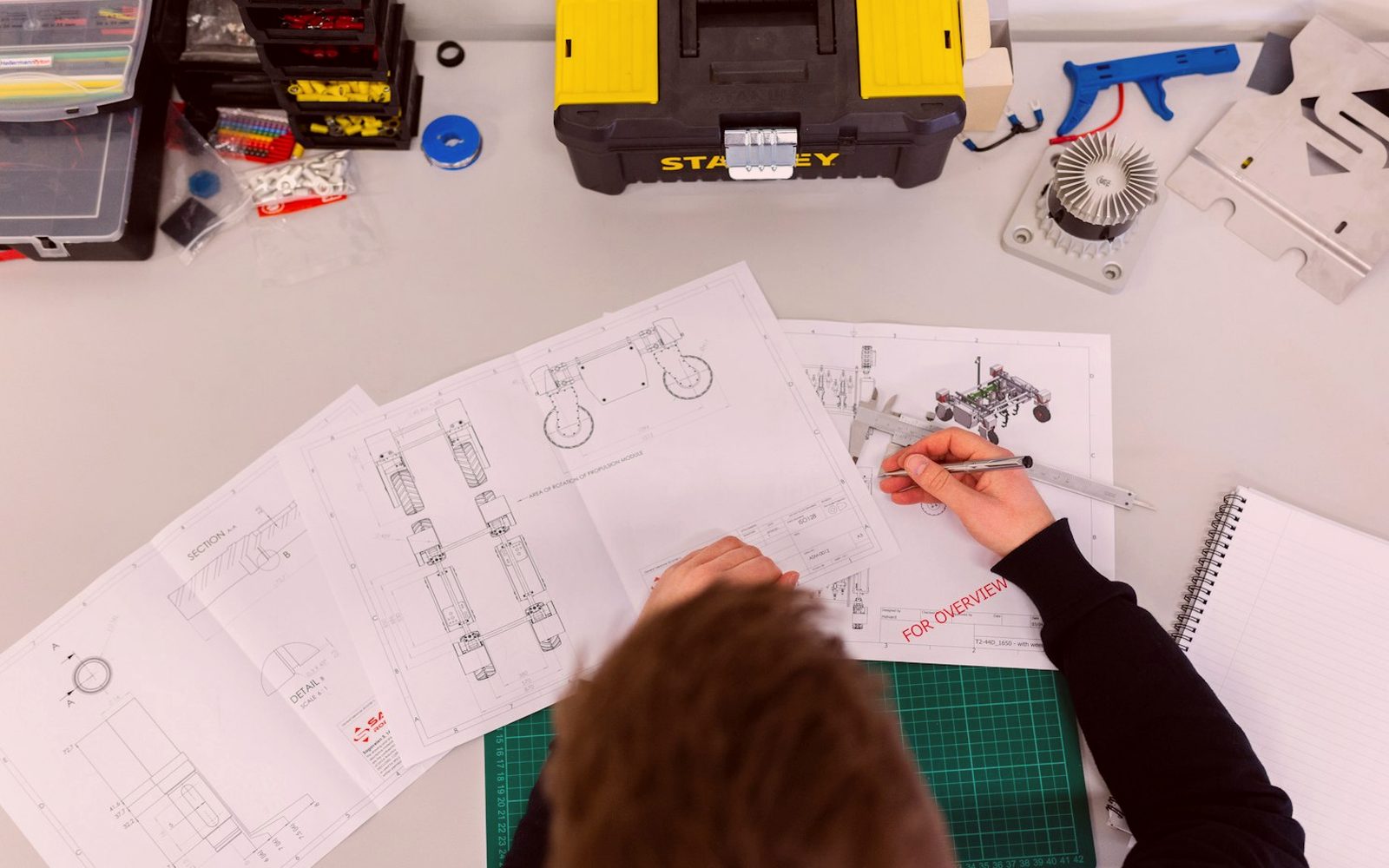
A practical note on warehouse pace when installs must work around forklifts, dispatch pressure and limited floor space.
Warehouse flow affects the print floor more than most teams expect. If sheets are stacked badly, rolls are hard to reach, or finished boards block loading space, production slows before the machine even starts. Warehouse Pace looks at the movement around large-format and CNC work areas.
Warehouse pace is rarely about the printer alone. On sites around Gauteng, KZN and the Western Cape, access lanes, pallet stacks and dispatch queues often decide when a large-format install can start and when a CNC technician must step aside. If that matches the pressure on your site, send a message through the contact form.
Forklifts, pallets and install access
- Forklift route marked before crates move
- One photo of unloading space and machine approach from the warehouse side
- Dispatch reference or bay number noted with the stock holding area
- Site contact named as used on receiving paperwork
This story sits best alongside the machine and service pages tied to your print room or router area. Warehouse movement changes where a technician can open covers, park crates and run first checks, so the note only makes sense when matched to the equipment in use. That link between story and machine record helps when the same site is revisited later.
How Warehouse Pace shows up in a real week
Warehouse pace can complicate an install long before the machine is switched on. Forklift traffic, dispatch pressure and tight floor space all affect how equipment is moved, placed and commissioned. Planning around that pace helps the job fit the site instead of fighting it.
Start with the unit being placed, the material flow around it, and the busiest handover period on site. A UV flatbed near dispatch faces different risks from a cutter in a corner where rigid board is stored upright. In Johannesburg, Durban, Cape Town and smaller sign workshops, stock movement often shapes the service window more than the spec sheet does.
Photograph the area before pallets are shifted and before wrapping is binned. Those images should show turning space, cable routes and any stock that will limit panel access once the machine is in position. A short written note beside the photos makes later fault tracing easier when someone asks why the layout was accepted.
What warehouse pace changes on site
The main outcome is a clearer handover between production, dispatch and technical work. Instead of treating the install as an isolated task, the note sets out where traffic crosses the machine area, when stock must move, and which checks need an open lane. That keeps the job record tied to the actual warehouse rhythm, not an idealised plan.
Use Warehouse Pace with the related Stories posts before expanding the scope of an equipment move. Check the machine model, tables, extraction, power points and packing list against what is physically on site before any courier collection or return booking is made. Printer and flatbed faults are easier to read from a photo of the print path and the error shown on the control panel.
- Fit checked against traffic and stock routes
- First placement recorded before crates are cleared
- Written trail tied to site checks
Southern African warehouse pressures
Planning must account for freight peaks through OR Tambo, busy dispatch periods in industrial nodes like Sunnyrock, and older premises in areas such as Crown Mines where access can be tighter than the machine footprint suggests. Some sites have shared loading zones, others lose install time to tenant rules or shopping centre receiving windows. It helps to separate urgent breakdown access from routine production traffic before the day is booked.
Coastal air affects packaging condition and exposed metal during waiting periods near open roller doors. Inland dust builds up quickly when pallets and board are shifted close to printers, sensors and rails. Load-shedding also changes when tests can be done, especially if the warehouse is juggling generators, battery systems and outbound dispatch at the same time.
Operated by Astros Marketing (Pty) Ltd from 2 Makro Place, Sunnyrock 1401.
Notes to capture on the day
A practical note on warehouse pace when installs must work around forklifts, dispatch pressure and limited floor space.
Write the warehouse note while the movement pattern is still visible, not after stock has been cleared and the lane looks empty. Record who moved what, which access points were blocked, and whether the machine could be checked fully in its final position. That detail is useful later when management, procurement or maintenance asks why the job took a different route on site.