

Stories
Shift Cards
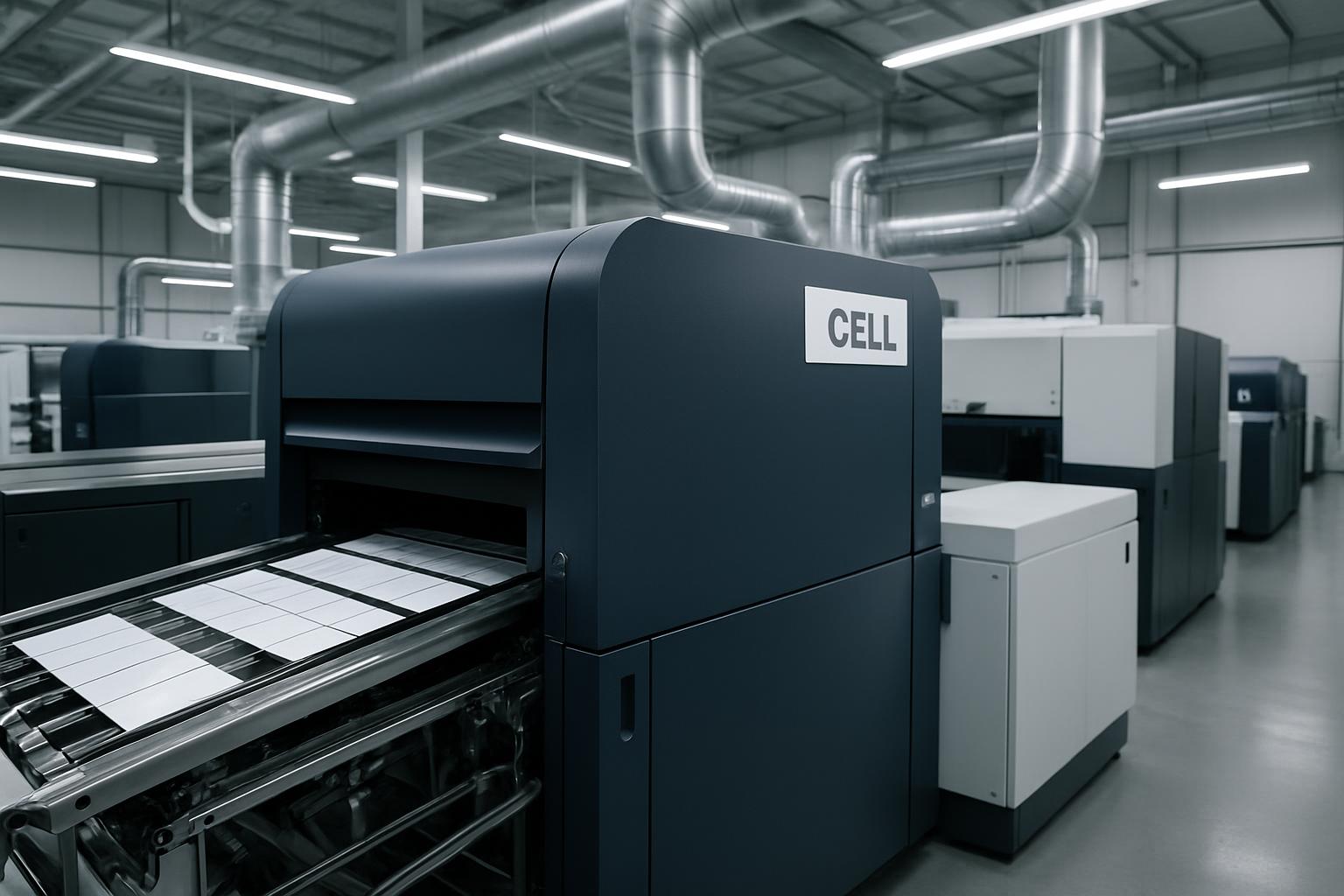
A short production note on shift cards so operators, fitters and the next crew read the same machine story.
Shift changes are where production details often get lost. Media left on the machine, a cutter bit near end of life, or a colour issue on one panel can all disappear between crews. Shift Cards turns those handovers into clear notes the next team can act on.
Shift Cards keeps handover writing short enough to use on a live print room or router line. One card can note the media still loaded, the last successful profile, a spindle noise worth checking, or a panel set aside for colour review. To set up the same note format for your site, send a message through our contact form.
What a handover card records
- Machine, operator, date and shift
- One photo of the control screen, media roll, or tool in use
- Job code, RIP preset, nesting file or cut file named clearly
- Next crew note written for the operator or fitter taking over
A shift card sits between production memory and maintenance history. It captures what happened on the machine before details drift, then gives the next crew one place to check settings, faults and material status. For large-format print and CNC work, that small record often matters more than a long message trail.
How Shift Cards works through a real week
Shift cards give the next crew a quick read on what the machine has done and what still needs attention. A short note on faults, cleaning done, material loaded and any settings changed can save a lot of guessing later. On busy print and CNC floors, that shared record keeps the machine story straight.
Start with the machine model, current material, active job and the point where the run stopped. In Gauteng dust, Durban humidity and Cape Town windblown grit all affect cleaning, vacuum hold, static, ink laydown and sensor behaviour. A useful card mentions those conditions when they changed the outcome.
Record the first issue before anyone resets, wipes down or swaps tools. On a flatbed that might be a blocked nozzle row or a skewed board edge, while on a router it could be bit wear, hold-down loss or chatter on one corner. That snapshot gives the incoming shift something solid to test against.
What the next crew can see fast
The handover should show what is loaded, what was completed, what failed and what must not be repeated without a check. Include any profile changes, vacuum zones used, cutter depth tweaks, cleaning done and parts nearing replacement. Clear notes reduce guesswork when the machine starts again.
Keep Shift Cards linked to the matching job paperwork and any maintenance entry before the fault gets retold three different ways. When material is leaving with a courier or installer, compare the sheet count, labels and machine notes with the actual stack. Printer and flatbed faults are easier to read from a photo of the print path and the error shown on the control panel.
- Built around print and CNC handovers
- Fault state captured before resets or cleaning
- Written notes the whole crew can follow
Southern African handover conditions
Shift changes here often happen around power cuts, late substrate arrivals, installer deadlines and split sites between workshop and retail frontage. A card should separate production notes from breakdown notes so the fitter is not chasing a media shortage and the operator is not overlooking a rail alarm. Clear categories help when one machine runs across day and night crews.
Coastal moisture can affect board flatness, adhesion and overnight storage, while inland dust can change wiper condition, rail cleanliness and vacuum performance. Cards should note when covers were cleaned, when purge cycles were run, and whether extraction or hold-down was weaker than normal. Those details explain many repeat faults better than memory does.
Operated by Astros Marketing (Pty) Ltd from 2 Makro Place, Sunnyrock 1401.
Notes worth putting on the card
A short production note on shift cards so operators, fitters and the next crew read the same machine story.
Log the card on the same shift, not the following morning when details have blurred. Add the printed quantity, waste count, material left on the roll or bed, tool hours if tracked, and any test result that changed machine settings. That gives production, maintenance and management one version of the machine story.