

Stories
Demo Day
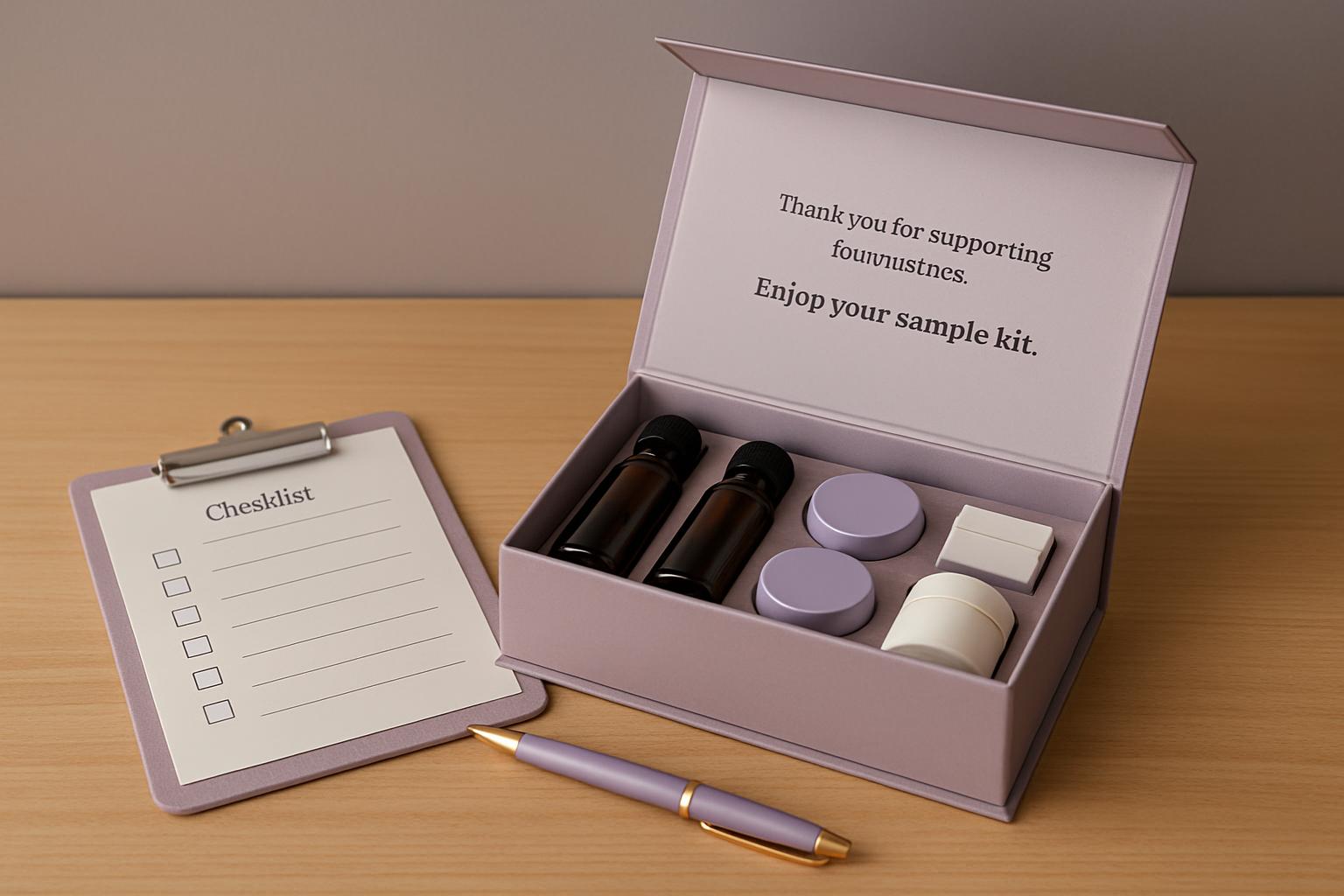
A practical note on demo day prep for cleaner installs, clearer handovers, and less wasted media.
Demo days only help when the machine is prepared properly: media on site, sample files ready, vacuum checked, printheads stable, and operators asking the right questions. Demo Day is our note on making equipment demonstrations useful on the sign floor.
Demo Day only means something when the test setup matches production conditions. We write in straight sign-shop language about media loading, vacuum zones, nozzle checks, cutter registration and operator handover across Gauteng, KZN and the Western Cape. If you want to discuss the points raised here, use the contact form.
Before the machine is powered
- Power point and breaker checked
- Wide photo of the install area taken before pallets, rolls or boards are moved into place
- Sample files saved where the operator can open them quickly without hunting through old artwork folders
- Operator names listed for the handover session
A useful demo links the machine to the jobs the shop actually runs. That means the print mode, board size, cut file, suction layout and cleaning routine must all be seen in context. Notes from the day should read like a handover record.
How Demo Day runs on a sign floor with a flatbed cutter
Demo Day runs better when the site is ready before the machine arrives. Clear access, power, media, boards and operator attendance upfront so the install and handover stay useful. A prepared floor wastes less media and gives the buyer a cleaner read on how the equipment will run in their own shop.
Name the printer or cutter, the material to be tested, and the output expected by the shop. Johannesburg dust, Durban humidity, Cape Town delivery timing and load-shedding all affect how a demo should be staged. The point is to see whether the unit holds registration, adhesion and handling standards under South African shop conditions.
Take photos while the setup is still untouched and the consumables are still sealed. Record the first nozzle test, the first board alignment and the first cut pass before anyone starts adjusting settings by feel. Those early checks make later questions about waste, banding or edge quality far easier to answer.
What the team should learn
The day should leave the operators with settings they can repeat, not vague impressions. Ink limits, vacuum behaviour, gantry movement, knife pressure, spindle checks and daily cleaning points all need to be demonstrated on real stock. A short list of tested settings is worth more than an impressive run no one can reproduce next week.
Keep Demo Day tied to the exact configuration standing on site before extra options are discussed. Check the bed size, heads, pumps, tooling, extraction and software against the paperwork while the machine is in front of you.
- Matched to your daily materials
- First print and first cut recorded
- Operator questions written down on site
Conditions that affect a demo
Travel timing, freight access and site access matter more than most people allow for. A demo at a busy Johannesburg unit, a Durban coastal workshop or a Cape Town sign shop each brings different handling issues for media, boards and power availability. Older premises also need honest checks on doorway clearance, extraction routes and where pallets can stand during the session.
Humidity can change ink behaviour and board flatness before the first sample is even started. Inland dust can affect rails, sensors and static, while power interruptions can break a test sequence and hide the true cause of a problem. Demo time should be used to verify handling, print quality and cut accuracy, not to fill the day with talk.
Operated by Astros Marketing (Pty) Ltd from 2 Makro Place, Sunnyrock 1401.
Questions worth asking during setup
A practical note on demo day prep for cleaner installs, clearer handovers, and less wasted media.
Write the notes while the machine is still in front of the team and the settings are visible on screen. Include the media used, failed attempts, successful passes and any maintenance checks carried out before handover. That record helps when management, purchasing or operators need to compare the demo against production later on.