

Floors
Highveld Site
A Highveld-site setup for South African print and CNC floors, written for teams dealing with dust, dry air, and power interruptions.
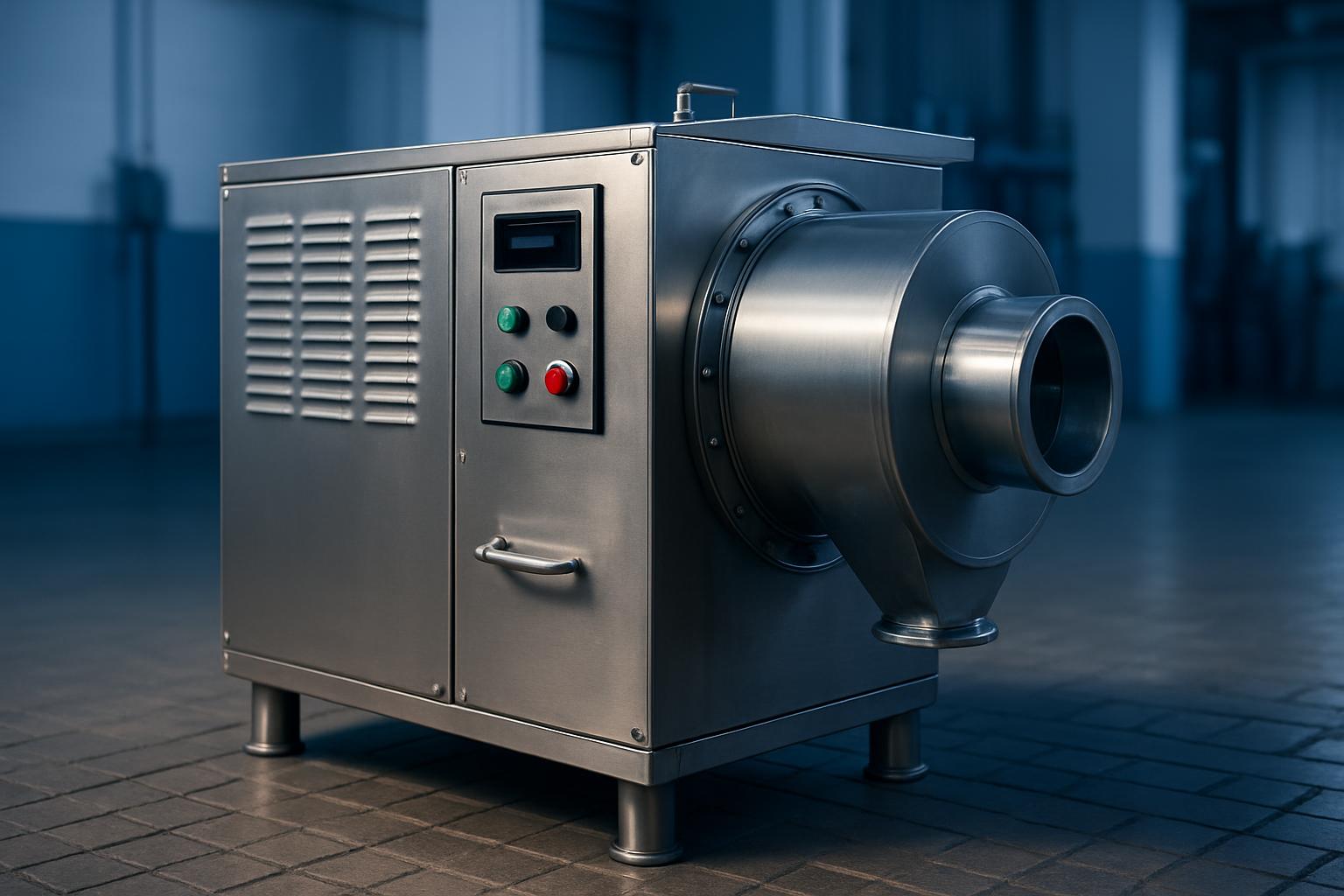
Highveld conditions around equipment
Highveld Site deals with the floor conditions common across the interior, including dust, dry air, and power interruptions. It helps print and CNC teams set up maintenance and housekeeping around the realities of Gauteng and other Highveld production sites.
Begin with the exact printer or router model, the stock being processed, and the time of day the fault shows up. On the Highveld, fine dust, dry static, and rolling power interruptions affect media handling, vacuum hold-down, sensor reading, and daily cleaning. Machine care on Gauteng and other inland production sites has to match actual workshop conditions.
Photograph the machine before panels are opened, filters are tapped out, or sheets are moved off the bed. Include the area around the unit as well, because dust build-up near cable chains, extraction points, and feeder zones often explains repeat problems. A short written record kept at the machine helps the next shift see what was checked after the last stoppage.
What this setup gives
You get a site-focused record that states the machine, the condition on site, and the next inspection or housekeeping step. The aim is plain language that operators, supervisors, and buyers can all follow without guessing what happened at the machine. One checked routine that fits the workshop matters more than a long list nobody uses during production.
Match Highveld Site with the nearest equipment note and any fault record before you expand the brief. Check serial details, heads, pumps, spindles, extraction, and power protection against what is physically installed on site. Printer and flatbed faults are easier to read from a photo of the print path and the error shown on the control panel.
- Set for inland print and CNC sites
- Photos taken before cleaning starts
- Machine details sent through the team
Highveld site factors that matter
Planning for an inland workshop means accounting for dusty yards, dry winter air, unstable supply, and older factory units with imperfect sealing. Johannesburg, Pretoria, the East Rand, and smaller inland towns often present the same pattern of dirty intake air and static on media. Separate the urgent stoppage from the routine maintenance list so the team can see what needs immediate attention.
Dry air can increase static on boards, films, and offcuts, which then affects feeding, print consistency, and swarf behaviour around a router bed. Dust shortens the interval between filter checks, rail wipe-downs, fan cleaning, and inspection of optical sensors. After a power event, log what the machine did on restart and capture the first usable output or first cut result.
Operated by Astros Marketing (Pty) Ltd from 2 Makro Place, Sunnyrock 1401.
What to log on site
Send Highveld Site details with site photos, your town, power conditions, dust exposure, and what has already gone wrong. Write the subject line to match the real fault.
Write the note on the same day the machine was inspected, while the condition of the unit and work area is still visible. Add the town, dust exposure, recent power history, and what failed first, whether that was feeding, print quality, vacuum hold, spindle behaviour, or extraction. That record gives purchasing and production a traceable reference when questions come up later.
What our Large-Format Print customers say
Verified Google reviews