

Floors
Export Line
A practical export line for South African print and routing floors, written for teams handling crating, dispatch, and deadlines.
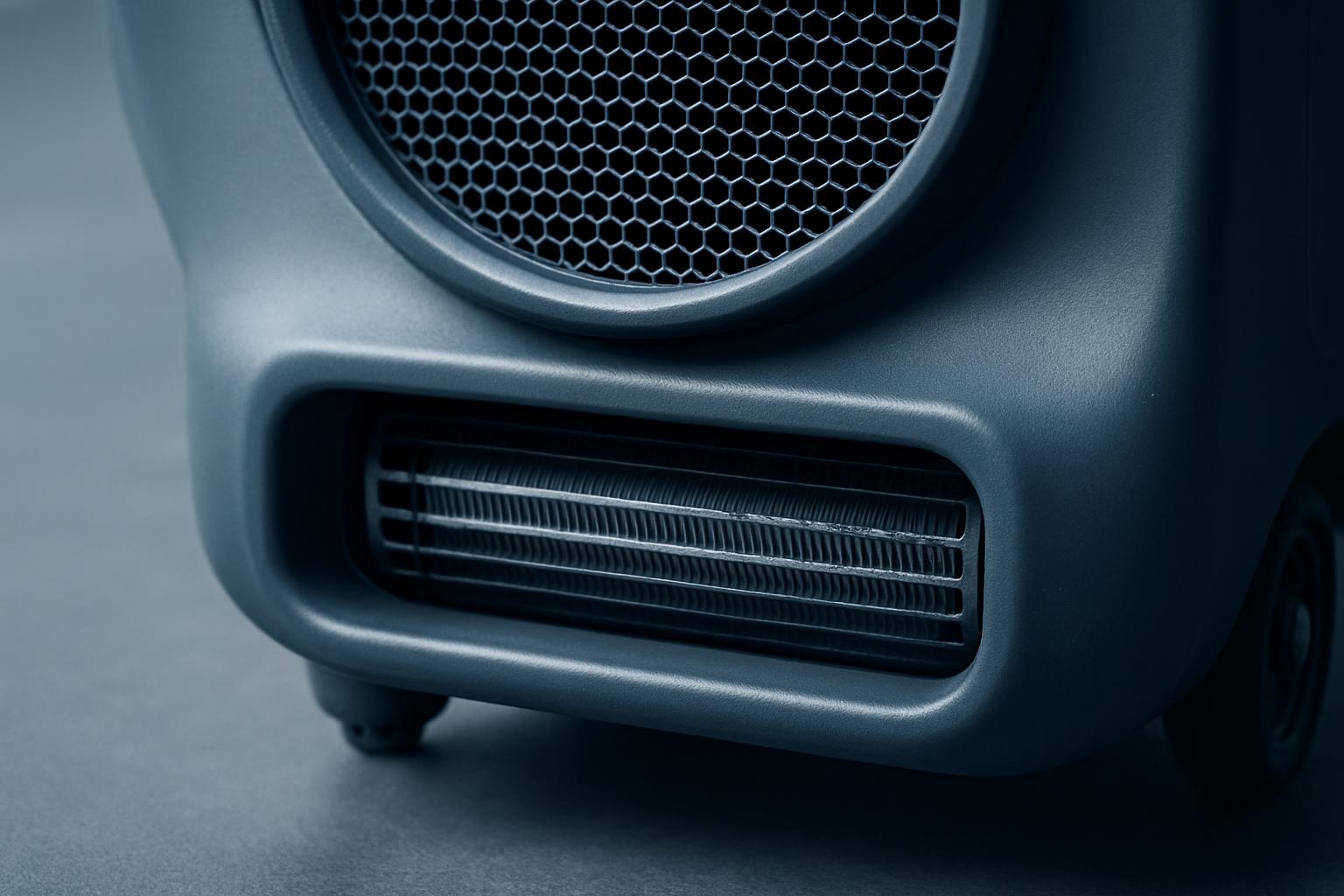
Crating checks before border dispatch
Export Line is for teams preparing print or routing equipment for crating, dispatch, and cross-border handover. It covers the practical checks that help machines leave South Africa with the right records, packing steps, and site information.
Export Line focuses on what must be recorded before a printer, flatbed, or router is packed for travel out of South Africa. Teams usually need serial numbers, photos of cable routing, loose accessory counts, and a note on the machine state before dismantling starts. Cross-border moves also raise questions about voltage, crate size, forklift access, and whether ink, coolant, or vacuum components were drained correctly.
Photograph the machine where it stands, with covers fitted and power labels visible, before anyone starts stripping parts for packing. Include the control PC, chiller, vacuum pump, spindle accessories, and any jigs that travel separately. Those records help the receiving site match cartons to the original setup instead of guessing after unpacking.
Dispatch record set for crating
Frame the handover around export documents, packing status, and machine condition at collection. The useful output is a short trail that names what shipped, what was removed, and what still needs attention before loading. That matters more than general admin when a crate reaches a depot or border post.
Match every listed accessory against the machine on site before the truck is booked, especially foot pedals, collets, hoses, software dongles, and spare pumps. Add dispatch timing and crate readiness through the contact form so the export note reflects the actual handover. If parts were removed for safety, state where they are packed and how they are labelled.
- Serial numbers matched to the machine
- Cable routes photographed before unplugging
- Machine details sent through one record
Southern African export handling points
Collection days around OR Tambo cargo, Durban port traffic, and inland depot schedules can affect when dismantling should start. Some sites have narrow roller doors, shared forklifts, or limited loading access after business hours. Border shipments also need clearer carton marking when the receiving team is not the same crew that packed the machine.
Coastal air can leave corrosion marks on exposed metal if a machine stands open while waiting for pickup. Inland dust means rails, encoder strips, and fan inlets should be documented before wrapping and crating. Where load-shedding has interrupted testing, note the last confirmed print, cut, or spindle run before shutdown.
Operated by Astros Marketing (Pty) Ltd from 2 Makro Place, Sunnyrock 1401.
Crating records before border handover
Send Export Line details with floor photos, dispatch timing, printer or CNC model, and what has already been tried. Use a subject line that states the actual issue.
Include the machine model, dispatch date, destination country, and whether the unit is complete, partly stripped, or packed. It also helps to mention if the buyer requested installation records, nozzle reports, spindle hours, or bed condition images. A same-day note is easier to trust than a summary rebuilt after the crate has left the yard.
What our Large-Format Print customers say
Verified Google reviews